November 10–13, 9:30 AM – 6:00 PM
FREE edge lab LIVE!
Attend all edge lab LIVE! sessions for free! Seating subject to on-site availability. Workshop hardware, conference refreshments, and evening event access sold separately.
€0
Sign Up
November 10-13, 2026 | electronica | Messe München | Germany
– Out of the Lab and Into the Field
Your complete guide to hands-on workshops, keynotes, sessions, evening networking events, and developer resources at edge lab LIVE! at electronica 2026.
90-minute Workshops from Industry-Leading Trainers
Take Home Hardware. Complimentary Access to Electronica. Starting at just €10.
See individual workshop descriptions for details.
90-minute Workshops from Industry-Leading Trainers
Take Home Hardware. Complimentary Access to Electronica. Starting at just €10.
See individual workshop descriptions for details.
Early Bird Workshop & Evening Event Pricing Ends October 31
November 10–13 • All events
Take home all workshop hardware, get a free electronica pass, and reserve seating for all four days of edge lab LIVE! sessions, workshops, and evening events, including CRA Day. Space is extremely limited!
€250
+ €4 booking fee
Hands-on sessions • All days
Get hands-on with the latest technology. Join practical workshops led by industry experts and technology partners, and dive deeper into the tools, solutions and ideas shaping the edge. Take home hardware from all participating workshops and get a complimentary pass to electronica.
€200
+ €4 booking fee
Evenings • November 10–12
Meet, connect and keep the conversation going. From IoT Stars to an Evening of Edge AI with Shawn Hymel to our CRA Industry Panel, make deeper connections with the edge lab LIVE! community.
€100
+ €4 booking fee
November 12 • CRA & Security
Dive into the European Cyber Resilience Act and what it means for connected products. Get preferred seating for keynotes, technical sessions, and practical workshops for engineering teams building for CRA requirements, take home all workshop hardware, and get a free electronica pass.
€200
+ €4 booking fee
November 10–13, 9:30 AM – 6:00 PM
Attend all edge lab LIVE! sessions for free! Seating subject to on-site availability. Workshop hardware, conference refreshments, and evening event access sold separately.
€0
Swipe across to see all four days.
 = Hands-On Workshop
 INFO@EDGELABLIVE.COM
Engineers building electronics-enabled products don’t need theories or concepts. They need practical guidance and hands-on experience to get to market on time and under budget.
edge lab LIVE! (ELLi) is the premier technical conference and exhibition for edge AI, edge computing, and CRA-compliant embedded and IoT product development on open source and open standards technology. Taking place at electronica 2026 from November 10-13, ELLi is organized by renowned embedded trainers and implementers to help get your development project from prototype to production to deployment.
Explore 4 days of hands-on workshops, technical sessions, and networking events at electronica 2026. Register for all workshops or sign up for individual sessions for as low as €10 and get reserved seating, expert instruction, take home workshop hardware, and get a free ticket to electronica 2026.
Or, stop by edge lab LIVE! on November 10-13th to attend any session for free — reserved seating, workshop hardware, and electronica pass not included.
November 10 • 9:30-10:30 AM
KeynoteTo be announced



Speakers
 ArduinocongatecSECOToradex
November 10 • 10:30-11:30 AM
WorkshopWhat does it take to move an Edge AI application from a simple prototype to an architecture that can run across different embedded platforms?
In this interactive live session, we will build and evolve a voice-controlled Edge AI application together with the audience. Starting with a voice recognition model, an embedded Linux device will recognize spoken color commands and use them to control a physical light in real time.
The audience will then become part of the AI development process. Using only their smartphones and a shared link, attendees will contribute voice samples for a new color, creating a real dataset during the session. We will use Edge Impulse to train the updated model and deploy it as part of a containerized application. By the end of the session, the device will recognize a command that did not exist when the presentation started.
While the model is being trained, we will explore the architecture behind the demo: Yocto and Embedded Linux, containers, AI runtimes, hardware access, drivers and acceleration. We will discuss what can be portable inside a container, what remains dependent on the underlying platform, and why these boundaries matter for long-term product development and maintenance.
The same application will be shown on the Arduino® UNO Q, Arduino VENTUNO Q, Qualcomm Dragonwing™ IQ8 EVK, and Qualcomm Dragonwing IQ9 EVK platforms, illustrating how a common application architecture can scale from accessible development boards to professional Edge AI systems.
Rather than focusing only on inference, this session demonstrates the complete Edge AI development loop: collect data → train → package → deploy → run on real hardware → improve Attendees only need a smartphone to participate. All embedded hardware and live demonstrations are operated by the presenter.
What attendees will learn:
No development board or laptop is required. Attendees will participate using their smartphones to contribute voice samples to the live dataset. All training, deployment, and embedded hardware interaction will be demonstrated live by the presenter.

Trainer
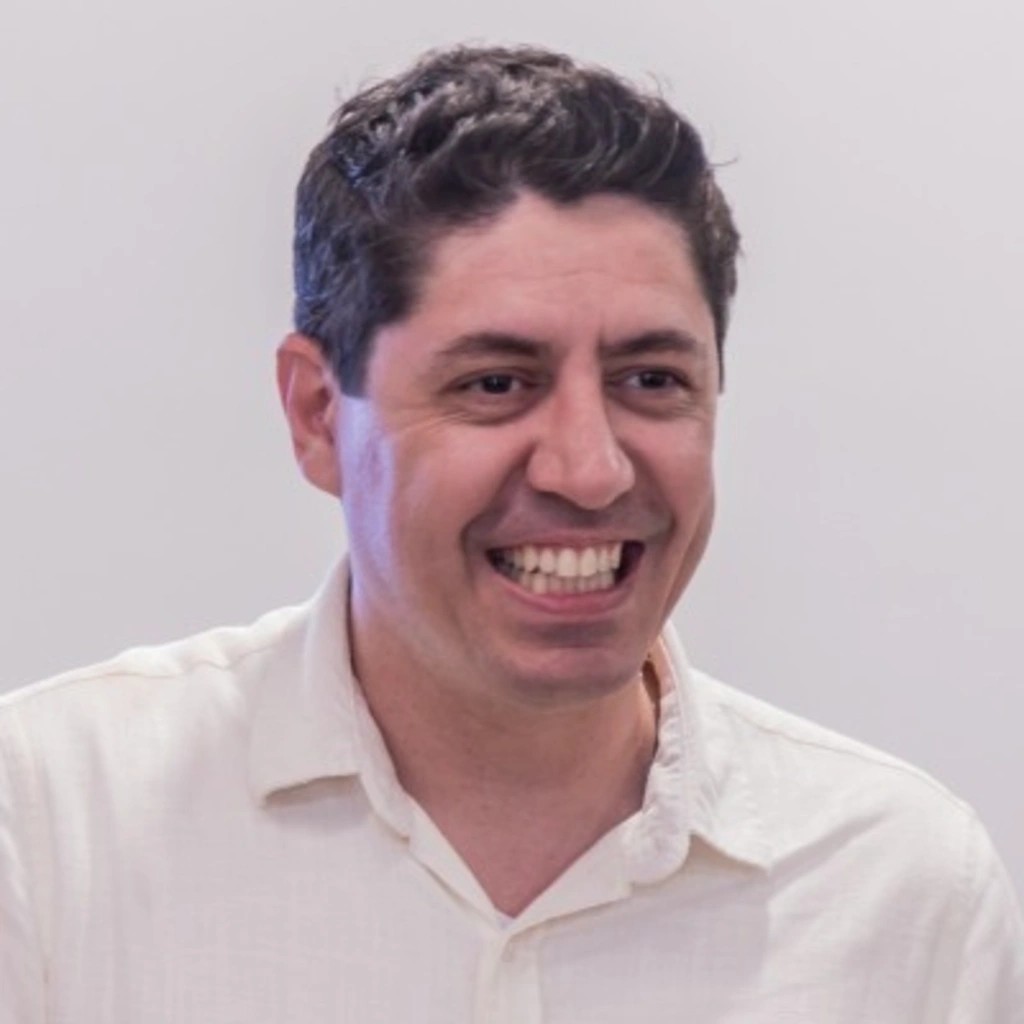 Raul MuñozSenior Staff Engineer and Developer Relations Lead, Qualcomm
November 10 • 11:30 AM-1:00 PM
WorkshopExplore how NXP's FRDM automotive development platform, demonstrated with the FRDM-A-S32K344 board, helps engineers move quickly from concept to prototype. Through hands-on exercises, participants will work with S32K3 MCU capabilities, configure and validate applications using NXP software tools, and use FreeMASTER for real-time monitoring, visualization, and debugging. The workshop focuses on a practical workflow for faster prototyping, testing, and system optimization.
Relevant links: https://mcuxpresso.nxp.com/appcodehub?deviceFamily=s32k,s32m; https://www.nxp.com/design/design-center/development-boards-and-designs/FRDM-A-S32K344
Trainer
 Radek SestakSr. Automotive Applications Engineer
November 10 • 1:00-2:30 PM
WorkshopIn this 90-minute hands-on workshop, we will use LVGL Pro to build a modern UI for Riverdi's STM32U5 display board. We start with a short overview of LVGL Open, LVGL Pro, and LVGL Safe to see what they are used for and how they connect to form a complete UI ecosystem.
After that, in a longer hands-on session, we will create a project for the Riverdi board, take a design from Figma, import it into LVGL Pro, make some changes, and finally export the C code, compile it, and flash it to the board.
While using LVGL Pro, you will also gain hands-on experience with LVGL's declarative XML language. You will learn how to create reusable components, connect live data with bindings, add animations and translations, and more. At the end, you will know how to go from a design file to a running UI on real hardware in minutes and make changes with confidence.

Trainer
Gábor Kiss-VámosiNovember 10 • 2:30-3:55 PM
WorkshopDesigning an FPGA-based system that works in the lab is only part of the challenge; creating a design that can be manufactured, deployed, and supported requires careful management of competing resource constraints. This 90-minute tutorial explores how FPGA resources, I/O allocation, power architecture, high-speed interfaces, PCB routing, component cost, and manufacturability influence system-level design decisions.
Using the open-source Adiuvo Explorer Board as a practical case study, the tutorial will show how requirements are translated into a resource budget and how engineering trade-offs are made when resources are limited.
Attendees will examine examples involving FPGA I/O and bank allocation, high-speed connectivity, configurable interface voltages, power management, PCB complexity, and cost targets. The session will provide a structured approach for identifying constraints early, evaluating architectural trade-offs, and making design decisions that lead to robust, manufacturable, and deployable FPGA systems.
Trainer
 Adam TaylorLead Consultant, Adiuvo Engineering & Training
November 10 • 3:55-4:20 PM
Trainer
Raul MuñozSenior Staff Engineer and Developer Relations Lead, QualcommNovember 10 • 4:20-4:45 PM
Edge servers are usually built around a fixed combination of processors, memory and accelerators. This works when workloads are predictable, but at the edge it can lead to expensive specialization and significant overprovisioning.
What changes if these resources are no longer permanently bound to a single server? CAPE, the European Union funded research project European Open Compute Architecture for Powerful Edge, is developing an open and modular edge cloud architecture in which compute, memory and accelerators can be composed according to workload requirements. The architecture combines modular COM-HPC compute nodes, heterogeneous processors and accelerators, switched PCIe and CXL fabrics, and open server management.
This session uses the CAPE architecture to explore the engineering consequences of making edge infrastructure composable. How should compute nodes, accelerators and pooled memory be discovered and assigned? Who configures and manages the fabric? Which functions belong in platform firmware and which should be exposed through standard interfaces? And when does CXL memory pooling improve resource utilization enough to justify the additional latency and system complexity?
We will examine how CAPE approaches these questions through PCIe and CXL based resource composition, Redfish and openMPMC for hardware management, and integration with Kubernetes based edge cloud orchestration. We will also distinguish what can already be implemented using current PCIe technology from capabilities that depend on the evolving CXL ecosystem.
The session will conclude with practical design lessons for building modular and heterogeneous edge systems using open standards, including which interfaces need to remain open for multi-vendor interoperability. We will also discuss how these interfaces and open source components can be sustained beyond individual research projects, including the emerging Open Federated Edge Cloud Infrastructure Alliance, OFEIA, as a possible community and governance layer.

Trainer
 Jens HagemeyerResearch Associate, CAPE
November 10 • 4:45-6:10 PM
WorkshopThis 90-minute workshop provides a practical introduction to SMARC carrier board development from a hardware designer’s perspective. Rather than focusing on interface specifications and signal definitions, the workshop highlights the design decisions that most frequently lead to project delays, redesigns, and bring-up challenges.
Using real-world examples, attendees will learn how to correctly interpret SMARC documentation, avoid common power-management mistakes, manage interface multiplexing, plan for future module migrations, and perform effective design reviews before PCB release.
The workshop is intended for hardware developers, system architects, and project engineers who are planning to create or review SMARC carrier board designs.
Key Takeaways:

Trainer
 Martin UnverdorbenChairman of SDT.01 | SGET e.V.
November 10 • 6:10-9:00 PM
Side EventEngage in honest, no-bullsh*t conversations about the state of IoT, embedded development, and Edge AI. IoT Stars, a community of IoT professionals, is hosting an exclusive gathering on Monday, November 10th, during the opening night of electronica.
Meet the right people, join unique discussions, and get inspired while having a drink, a bite, and a laugh.
Sign-up today! It's a paid event, reach out to one of our partners to get a free invite
What to expect:
Hosted by Marc Pous & Laurens Slats Marc Pous, also known as the IoT Giant, is the founder of IoT Stars and a long-time advocate for the Internet of Things and edge AI. With over 15 years of experience, he has been actively building IoT products, communities, and events around the world.
Laurens Slats works at the intersection of IoT, developers, and community building. Over the past years, he has helped IoT teams grow engaged developer communities, often around open-source technologies and platforms.
Trainers
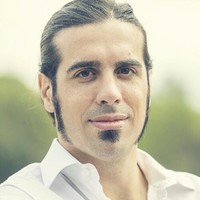 Marc PousFounder of IoT Stars
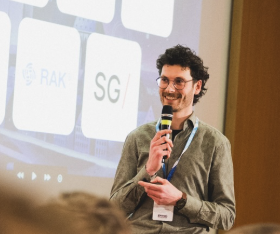 Laurens SlatsIoT community builder
November 11 • 9:30-10:00 AM
KeynoteThe AI conversation is rapidly moving beyond generative AI and digital assistants. The next frontier is Physical AI: systems that perceive, reason, and act in the real world. From industrial automation and robotics to intelligent vision systems and autonomous machines, organizations are beginning to deploy AI where physical outcomes matter most.
This keynote explores the forces driving this transition, the technical challenges companies must overcome, and the emerging architectures enabling intelligent machines at scale. Attendees will gain insight into where the market is heading and what it will take to build the next generation of AI-powered products.


Trainers
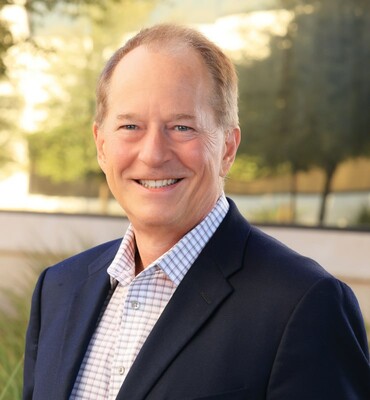 Mark ReitenSenior Corporate Vice President, Licensing, Memory Products and Edge AI Business Units
 Orr DanonCEO, Hailo Technologies
November 11 • 10:00 AM-12:30 PM
WorkshopDiscover how to accelerate the development of connected sensing applications using Amazon Sidewalk, the ST NUCLEO-WBA55CG wireless development board paired with the X-NUCLEO-IKS5A1 MEMS sensor expansion shield, and /IOTCONNECT. In this live session, you'll see how sensor data can be collected from edge devices, transmitted over Amazon Sidewalk's low-power network, and visualized through /IOTCONNECT for real-time monitoring and actionable insights. The solution demonstrates a streamlined approach to building secure, scalable IoT applications while reducing development complexity and time to deployment.
Learning objectives:

Trainer
 Steven DettloffIoT Solutions Manager, Avnet
November 11 • 10:00 AM-12:30 PM
WorkshopJoin a hands-on workshop exploring Infineon DEEPCRAFT™ AI models running on the PSOC™ Edge E84 AI Evaluation Kit. All participants will be provided with a development kit to use during the workshop as you run edge AI use cases, explore sensor telemetry, and connect data to /IOTCONNECT powered by AWS for real-time dashboards and insights.
Learning Objectives:
Trainer
Steven DettloffIoT Solutions Manager, AvnetNovember 11 • 12:30-2:00 PM
WorkshopThis Renesas workshop demonstrates an intelligent asset-tracking solution that uses an accelerometer and Reality AI to recognize movement events such as drops, shakes, and circular motion. The classified events are transmitted via Bluetooth Low Energy (BLE) to the Hubble network, enabling remote monitoring of an asset’s movement, handling, and exposure to major shocks.
Learning Objectives:

Trainers
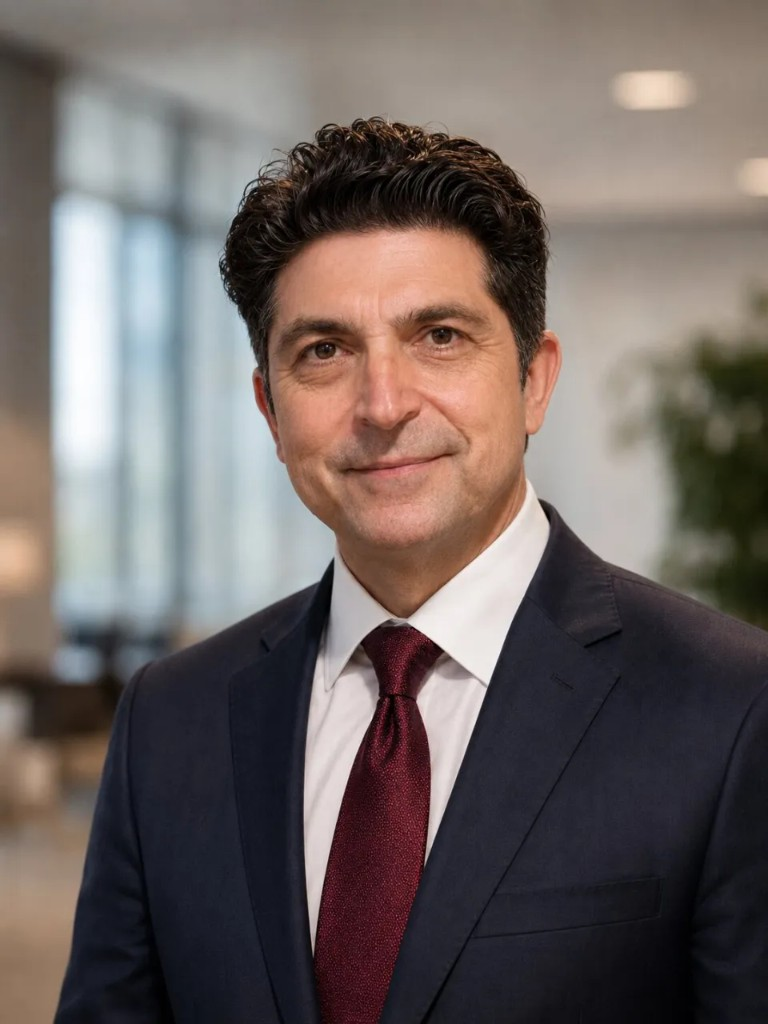 Hooman ForoughiVP Application Engineering, Renesas
 David RennoRegional Marketing Director
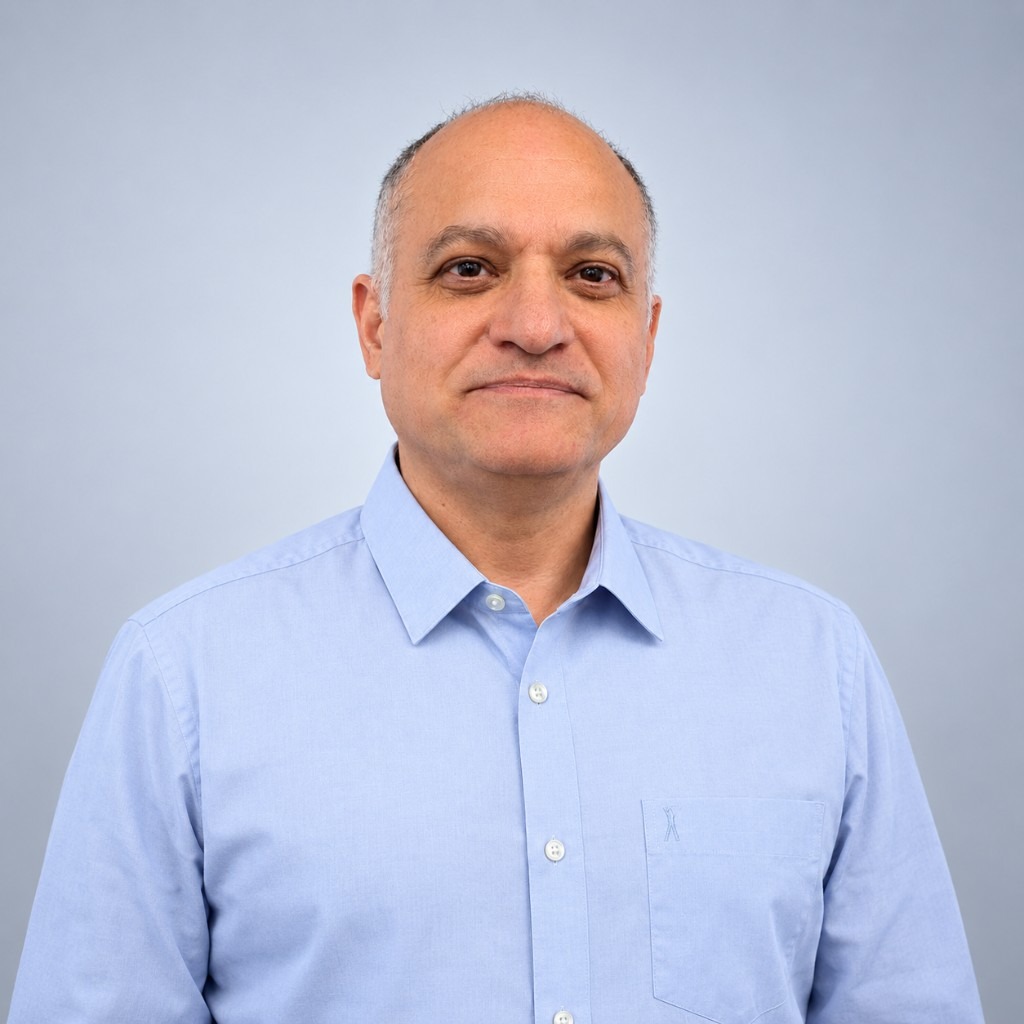 Izik GoldraichPrincipal Software Engineer, Renesas
November 11 • 2:00-3:30 PM
WorkshopGet hands-on with NXP's i.MX 95 FRDM development platform and explore its powerful feature set from the ground up. Connect a display, camera, and keyboard, launch real-world AI demos via GoPoint, and run applications on the Arm® Cortex®-A55 — all with minimal setup time.
Discover how the i.MX 95 accelerates product development while addressing modern demands for cybersecurity, power efficiency, and lifecycle management. Whether you design for industrial, automotive, smart city, or IoT applications, you will leave with practical insights to accelerate your next design-win.
Trainer
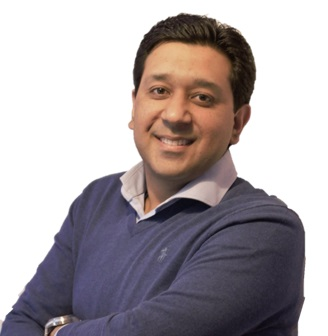 Mubeen AbbasTechnical Manager
November 11 • 3:30-5:00 PM
WorkshopReinforcement learning is reshaping how robots learn to move. With recent breakthroughs at labs like ETH Zurich, Boston Dynamics, and Disney Research, walking robots are now handling rough terrain and challenges they were never explicitly trained for. The good news is that you don't need a fully equipped research lab to get started. In this hands-on workshop, participants will train an AI agent from scratch to balance a tiny wheeled robot, then watch it run on real hardware.
Using the MuJoCo physics simulator and Python, we'll build a complete RL training pipeline using the Proximal Policy Optimization (PPO) algorithm. We'll tackle two of the most common real-world challenges in robotics: how to make an agent that's actually robust (using domain randomization and curriculum learning)... and how to transfer a policy learned in simulation onto a physical robot (a problem known as the "sim-to-real" gap). By the end of the session, attendees will leave with hands-on intuition for modern robot learning.
Target Audience: Embedded developers and makers with some programming experience. No prior robotics or RL knowledge required, though familiarity with Python, Arduino, and basic ML concepts will help participants get the most out of the session.

Trainer
 Shawn HymelFounder at Skal Risa
November 11 • 5:30-6:00 PM
When adding AI to an embedded product, the first architecture question is often the hardest: should the workload run on a standard MCU, use dedicated AI acceleration, or move partly to the cloud?
This session presents a practical framework for making that decision based on five factors: model complexity, latency, memory, power, and connectivity/privacy requirements. Using a small open-source AI model running on a Cortex-M-class device as a real-world case study, we’ll show how to translate product requirements into measurable engineering constraints, then use those measurements to determine when an MCU is sufficient and when the architecture needs to change. The session will give attendees a reusable way to evaluate edge AI workloads across platforms.
Attendees will leave with a simple decision framework they can apply early in development to avoid both over-engineering and choosing hardware that cannot meet the product’s needs.
Trainer
 Tess KassierRiseLink.ai
November 11 • 6:00-9:00 PM
Side EventSpend one evening getting up to speed on everything that's happening in edge AI.
Join the key people shaping the edge AI field for an evening of live demos, conversations, food and drinks. See what edge AI can do today, meet the technology enablers behind it, and join us for the official electronica Edge Awards ceremony.
What to expect:
Trainer
Shawn HymelFounder at Skal RisaNovember 12 • 10:00-11:30 AM
WorkshopThe EU Cyber Resilience Act (CRA) marks a fundamental shift in how products with digital elements are designed, developed and maintained throughout their lifecycle. In this workshop, participants will gain a practical understanding of key CRA requirements and the engineering decisions needed to address them.
We will explore topics such as risk assessment, threat modeling, vulnerability management and lifecycle security, highlighting where security-by-design can help reduce complexity and accelerate CRA readiness. Using practical examples, we will discuss how NXP's security technologies, EdgeLock 2GO lifecycle management services and PSIRT (Product Security Incident Response Team) processes can support manufacturers in addressing key CRA requirements and preparing for long-term compliance.
Key Takeaways:
Trainer
 Jenirathese NadarMarketing Manager – Security
November 12 • 11:30 AM-12:00 PM
Edge and Physical AI systems must guarantee the secure and safe execution of compute tasks. To solve this, NVIDIA builds Trusted Platform Modules directly into its enterprise-ready platform for physical AI, the IGX Thor. The commercial ecosystem has fully adopted this hardware-backed approach: Lenovo and Wincomm released new ruggedized, industrial edge AI computers featuring discrete TPM 2.0 solutions to ensure regulatory compliance and data security.
This 20-minute talk features a demo of Secure GPIO for Physical AI using TPM 2.0 and provides concrete details how TPM 2.0 protects Physical AI while remaining accessible. We detail advanced security guarantees beyond basic key storage, covering authenticated bus communications and hardware tamper defenses. Finally, we map these hardware capabilities directly to EU Cyber Resilience Act (CRA) compliance. Key takeaways: Mapping Edge AI security needs to TPM 2.0 capabilities. Advanced TPM 2.0 security capabilities matching Physical AI needs. Mitigating physical tampering and bus-level attacks on Edge hardware. Meeting EU CRA requirements using TPM 2.0.
Trainer
 Dimi TomovCEO, EnactTrust
November 12 • 12:00-12:30 PM
Cloud-enabled industrial gateways bridging Modbus field equipment to HTTPS/MQTT backends over VPN are directly in scope of the most demanding requirements made by the EU Cyber Resilience Act (CRA): deployed unattended in accessible locations, holding the VPN and cloud credentials that make them a pivot into both OT and cloud networks, and re-imaged over the network. Yet the network-boot tooling this lifecycle relies on executes unauthenticated images by design, in direct conflict with the CRA's software-integrity and secure-update requirements. Even signed images cannot answer the question an unattended fleet poses: how does an operator know, remotely and continuously, that a deployed gateway runs the software that was shipped?
This session demonstrates an end-to-end, fully open-source answer on RISC-V. Building on an already-released bare-metal programming framework and network-boot framework, we construct a complete trust chain: a minimal, PMP-protected firmware layer as the trusted base; authenticated network boot with signature verification and anti-rollback, doubling as the CRA-mandated secure update path; DICE-style measured boot providing device identity without requiring a TPM; and RATS-based remote attestation that gates release of VPN and MQTT credentials on proven platform state. A tampered device cannot even join the network. Attestation reference values are derived from reproducible builds of the boot chain, tying platform verification to the SBOM and supply-chain transparency the CRA expects of manufacturers and integrators. This technical session distills lessons learned building and releasing these frameworks, from the pitfalls of key derivation without a hardware root of trust to what breaks when netboot signing is integrated in real-world provisioning workflows. The session concludes with a scripted QEMU demonstration that shows (i) a tampered image rejected at boot-time, and (ii) a verified gateway completing attestation, receiving its credentials, and publishing Modbus telemetry to an MQTT broker. This demonstration provides a practical mapping from each mechanism in an open-source stack to the CRA obligations it addresses.
Trainers
 Nick KossifidisPrincipal Research Engineer
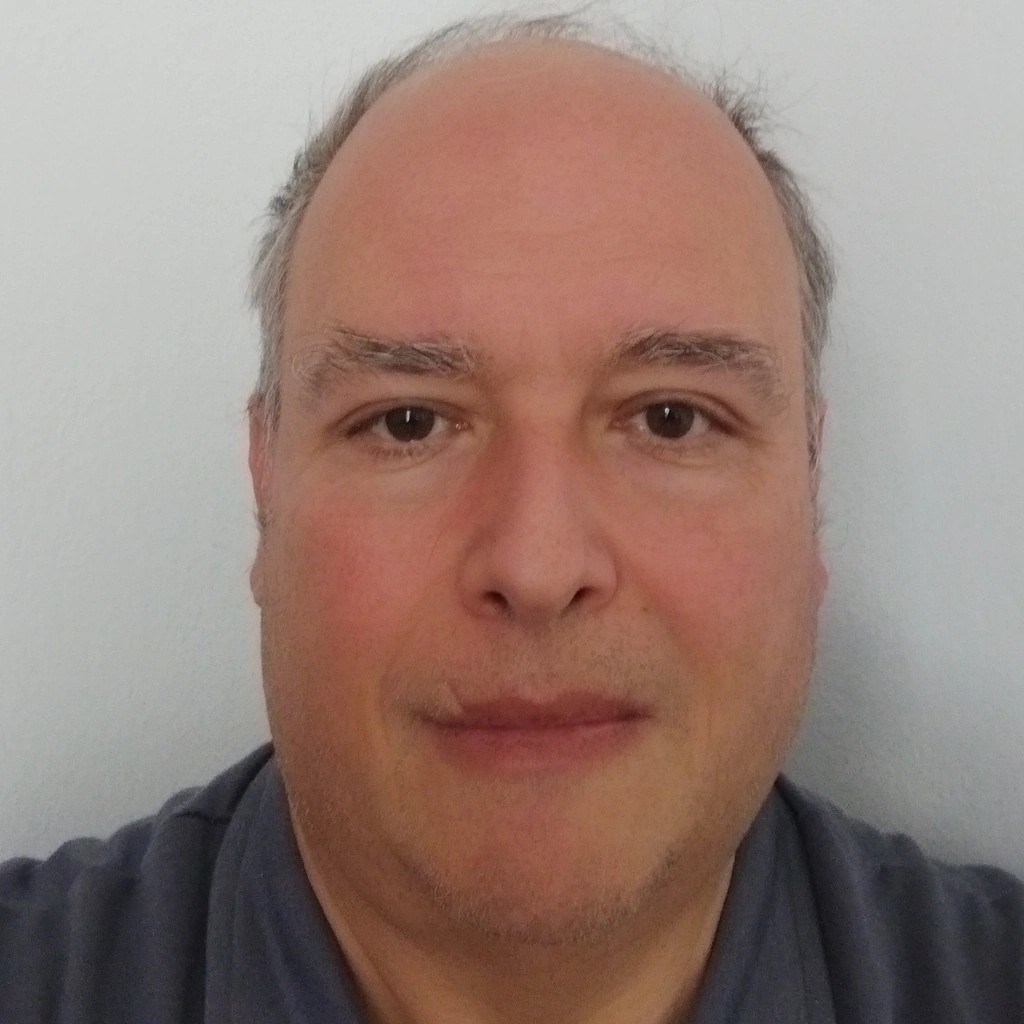 Manolis MarazakisPrincipal Staff Research Scientist, FORTH (Greece)
November 12 • 12:30-1:00 PM
Generating an SBOM for one firmware build is increasingly straightforward. Maintaining a defensible chain between the shipped firmware, its components, vulnerability findings, engineering decisions, and later security updates is much harder.
Using a small connected Zephyr application, this session demonstrates a vendor-neutral workflow from build to reviewable CRA evidence. The build produces an SPDX inventory and build provenance. Open tooling validates and normalizes the component data, maps public vulnerability records, and creates a review queue. A VEX-based decision then records whether a finding is affected, not affected, fixed, or still under investigation, together with the rationale, supporting evidence, reviewer, and product versions concerned. A simple policy gate determines whether the release can proceed without treating scanner output as an automatically approved engineering decision.
The demonstration also covers failure modes common in embedded products: ambiguous component identifiers, supplier patches not reflected in public databases, a CVE that matches a library but not the compiled configuration, changed components between firmware versions, and a new advisory published after release.
Attendees will leave with a reproducible reference architecture, sample SPDX and VEX artifacts, a minimum data model for traceable vulnerability decisions, and a practical checklist for adding the workflow to an embedded CI/CD pipeline. The session focuses on engineering implementation and human-governed evidence, not legal theory or a commercial platform.
Trainer
Muhammad AashirFounder and CEO, AegisSafeForgeNovember 12 • 1:00-2:30 PM
WorkshopWhat changes when a familiar Raspberry Pi development platform becomes the basis of a product sold in the EU? Working from a defined example device and use case, participants will build a preliminary CRA requirements and evidence map. The exercise begins with a detailed use case analysis, and then moves to the manufacturer’s Article 13 risk assessment. We finish with comparing the tests design choices against Annex I: secure default configuration, protection from unauthorized access, confidentiality and integrity of data and software, security updates, and vulnerability handling.
The group will examine where Raspberry Pi documentation and standard software can help, including secure boot provisioning, disk encryption, image generation, software bills of materials, and security disclosures. It will also identify work that remains with the product manufacturer: defining the deployed configuration, securing exposed interfaces and credentials, managing keys, testing the complete system, documenting dependencies, and maintaining an update and response process over the support period.
The outcome is a practical set of dos and don’ts, open questions, and evidence requests that engineers can adapt to their own designs. The workshop will assess a hypothetical integration; it will not certify a Raspberry Pi product.
Trainer
To Be AnnouncedNovember 12 • 2:30-3:30 PM
WorkshopA system-on-module may be designed for secure operation, but its security properties only help an integrator when they can be configured, tested, documented, and maintained in the finished product. Using embeddedTS i.MX93 hardware as a working example, Marta Rybczynska and embeddedTS will examine what it takes to supply a component that supports a customer’s CRA assessment.
The session will trace the handoff from component to product: identifying the supplied hardware, firmware, and software; describing the boot chain and configurable security features; defining assumptions about the carrier board and operating environment; and specifying what the integrator must implement. It will connect those decisions to CRA risk assessment, product security and vulnerability handling requirements, and requirement to give integrators information needed for their own compliance work.
The example will also examine the operational handoff: software component records, vulnerability contacts, update responsibilities, support periods, and the evidence needed when a component changes. Attendees will leave with a concrete model for documenting security responsibilities across the supplier–integrator boundary.
Trainer
 Marta RybczynskaYgreky
November 12 • 3:30-4:00 PM
Under the Cyber Resilience Act, discovering a vulnerability is not enough. OEMs need a secure and repeatable way to remediate vulnerabilities across products already operating in the field. For embedded and IoT teams, that becomes especially challenging across heterogeneous hardware, software versions, unreliable networks, and large device fleets.
This session examines the engineering practices behind secure vulnerability remediation at scale, including identifying affected devices, signed software artifacts, phased deployments, automated rollback, update verification, and maintaining an auditable remediation history.
Trainer
 Ed WatsonEmbedded Linux Engineer, Northern.tech
November 12 • 4:00-4:30 PM
Industrial AI prototypes become products when they can run alongside production equipment, recover from faults, and maintain reliability over years or decades of updates. Ensuring that they also do so securely is precisely what the Cyber Resilience Act (CRA) was created to enforce.
This session uses a SECO production line monitoring demonstrator to examine how systems can address vulnerabilities through security updates and maintain alignment with Annex I, Part I, point 2(c) of the EU Cyber Resilience Act. Using a SMARC computer-on-module-based Modular Vision HMI running a vision inference and control workflow developed in Clea Studio AI, we will follow a change from a controlled Clea OS production image’s software bill of materials through vulnerability assessment, update packaging, deployment, and rollback. We will also examine how time-critical control can be separated from AI processing when the device is in an offline state.
Attendees will leave with a practical model for making updatable, supportable industrial edge products that align with CRA guidelines, as well as the ability to assess whether a vulnerability can be corrected across deployed devices.
Trainer
Gianluca VenereSECONovember 12 • 4:30-6:00 PM
WorkshopGet hands-on with cellular IoT and security. In this interactive workshop, participants will receive an nRF9151 development kit and work step by step with our experts to secure a cellular IoT device using Exein Runtime for Zephyr. Together, we will explore the setup, configuration, and security options, giving you a practical experience.

Trainers
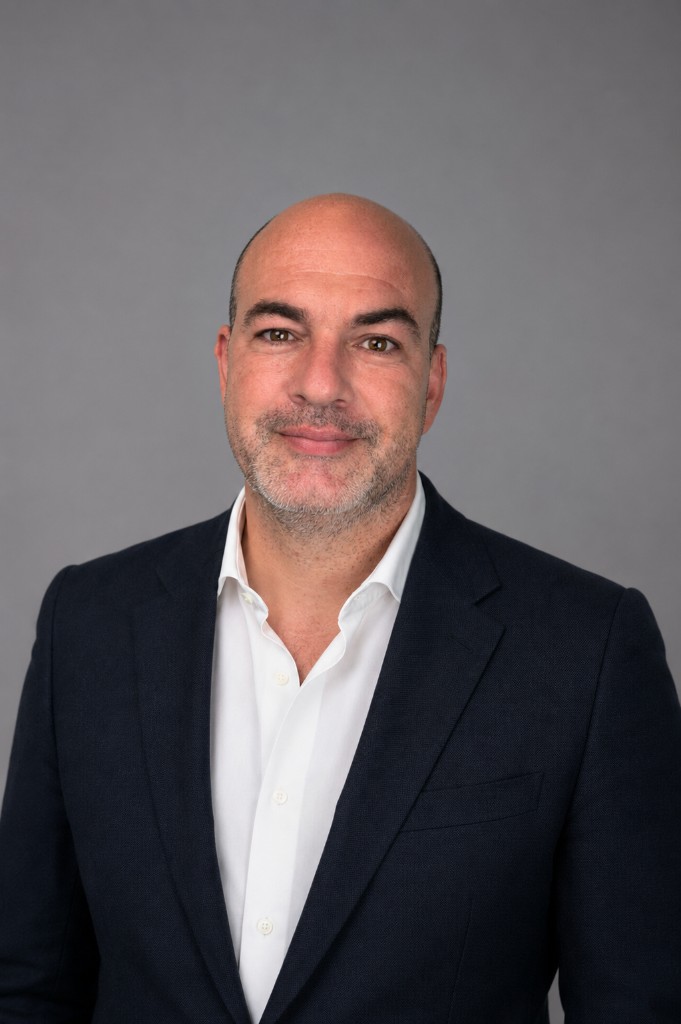 Thomas RoosSenior Field Solutions Engineer, Exein
 Dominic RichterProduct and Partner Management at DT IoT
November 12 • 6:00-8:00 PM
Side EventAfter a day of technical sessions, this panel will test how CRA requirements hold up across real embedded development workflows. Moderator Satyajit Sinha will bring together standards, security, component, and product perspectives to examine the decisions that cannot be settled by a generic compliance checklist. The discussion will follow an embedded product from component selection through release and support. How should an OEM use a supplier’s security claims and documentation without treating them as proof of conformity for the finished device? What evidence supports a risk assessment when boot firmware, a Linux distribution, applications, and cloud services come from different sources? Who receives a vulnerability report, who fixes the affected software, and how do suppliers and integrators coordinate a timely update? What to do about SBOMS – are they effectively mandatory to deliver to your customers? Panelists will also address what teams can (and should) act on today without waiting for future clarifications.
Audience questions will close the session. The goal is to give engineering teams clearer ownership boundaries, better questions for suppliers, and a sharper plan for turning security controls into defensible product evidence.

Panelists
 Satyajit SinhaSenior Principal Analyst, IoT Component, Connectivity & Security, IoT AnalyticsMarta RybczynskaYgreky
November 13 • 9:30 AM-12:00 PM
MeetupJoin the Linux Foundation Zephyr Project meetup at edge lab LIVE! for community updates, technical discussion, and networking with Zephyr developers.
November 13 • 12:00-3:00 PM
MeetupJoin the Linux Foundation Yocto Project meetup at edge lab LIVE! for community updates, technical discussion, and networking with embedded Linux builders.
@ edge lab LIVE! . Hall C5, Messe Munich

Tuesday, November 10 · from 18:00
Engage in honest, no-bullsh*t conversations about the state of IoT, embedded development, and Edge AI. IoT Stars, a community of IoT professionals, is hosting an exclusive gathering on Monday, November 10th, during the opening night of electronica.
Meet the right people, join unique discussions, and get inspired while having a drink, a bite, and a laugh.
What to expect:
with Shawn Hymel
Wednesday, November 11 · from 18:00
Spend one evening getting up to speed on everything that's happening in edge AI.
Join the key people shaping the edge AI field for an evening of live demos, conversations, food and drinks. See what edge AI can do today, meet the technology enablers behind it, and join us for the official electronica Edge Awards ceremony.
What to expect:

Register for industry-leading workshops from best-in-class instructors and accelerate your time from prototype to production.
Learn directly from core contributors, hardware architects, and engineering leaders shaping the future of embedded systems.
Lead Consultant, Adiuvo Engineering & Training
Adam Taylor is a world-recognised expert in the design and development of embedded systems and FPGA’s for several end applications (Space, Defense, Automotive). He writes extensively about FPGAs via his blog, The Microzed Chronicles, has delivered thousands of hours of FPGA training, and produces webinars, workshops, whitepapers and presentations.
Speaking in
Regional Marketing Director, Renesas Electronics
David Renno is a Regional Marketing Director at Renesas Electronics, where he drives broad-market growth and developer engagement initiatives across the embedded systems industry. Previously, he served as Director of Marketing and Business Development at Panthronics, helping establish market-leading NFC wireless solutions prior to the company’s acquisition by Renesas. Earlier in his career, David held marketing leadership roles at STMicroelectronics and ams AG, focusing on secure connectivity, NFC, mobile, wearable, and IoT technologies. With extensive experience spanning marketing, business development, and technology adoption, he is passionate about accelerating innovation and empowering developers through connected, intelligent embedded solutions.
Speaking in
CEO, EnactTrust
With over 20 years of experience in the field, Dimi Tomov is focused on securing the new generation of intelligent and connected devices. As CEO of EnactTrust, chair of the IoT Workgroup at the Trusted Computing Group (TCG), author of the public TPM 2.0 training courses available on OpenSecurityTraining2, and runs the TPM.dev developer community with of over 1,000 members. Dimi’s background is industrial automation, and over the years he has helped build the fastest Hearing Aid Detection Algorithm for Sivantos (ex Siemens Hearing aids), helped Spotify create the CarThing IoT product, and various other smart and connected systems sold from Australia to USA.
Speaking in
Product and Partner Management at DT IoT
Dominic Richter works at Deutsche Telekom IoT, advancing NB-IoT, LTE-M, RedCap and satellite IoT. He engages with his team to developers and partners to bridge technology, product and partnerships to turn emerging connectivity into practical, measurable solutions for developers and users worldwide.
Speaking in
Embedded Linux Engineer, Northern.tech
Ed Watson is an Embedded Linux Engineer working in Gothenburg, Sweden for Northern.tech (HQ in Oslo). He worked as a Senior Software Engineer developing 3D cell and organ printers and has a doctoral background in 3D and systems mathematical modeling. Ed specializes in embedded Linux, OTA device management, Yocto and systems architecture. He is known as a "fixer of things".
Speaking in
SECO
Speaking in
VP Application Engineering, Renesas
Hooman Foroughi is Vice President of Systems Enablement Engineering at Renesas Electronics and a semiconductor industry leader with more than three decades of experience advancing embedded systems, software, and semiconductor technologies. He leads a global engineering organization that enables system-level solutions for embedded computing platforms, helping customers accelerate the development of complex products across industrial, infrastructure, AI, and connected systems markets. Throughout his career at Renesas, Motorola, HP, Compaq, and Tandem, Hooman has combined deep engineering expertise with business-focused leadership to transform complex technologies into scalable solutions and meaningful customer outcomes. A strong advocate for platform-based approaches and software-defined systems, he has helped drive key initiatives including Renesas 365, the Flexible Software Package (FSP) ecosystem, and adoption of Zephyr, advancing modern embedded development while expanding access to next-generation intelligent systems.
Speaking in
Principal Software Engineer, Renesas
Izik Goldraich is a Principal Software Engineer and Solutions Architect at Renesas Electronics with extensive experience in embedded systems, secure connectivity, Edge AI, and IoT solutions. He specializes in transforming complex technologies into production-ready solutions spanning MCU and MPU platforms, wireless connectivity, embedded security, cloud integration, and AI at the edge. Izik has led the development of reference designs, proof-of-concept solutions, and technical demonstrations across diverse application domains, while collaborating with global engineering teams and customers worldwide.
Speaking in
Marketing Manager – Security, NXP Semiconductors
Jenirathese Nadar is the Regional Marketing Manager for Security and NFC at NXP Semiconductors, overseeing strategic initiatives across the EMEA region. With over a decade of experience in the security domain, Jenirathese began a career as a Field Application Engineer, contributing to smart card solutions for national passports and payment systems. Later transitioning into embedded security as a Product Marketing Manager, the focus shifted to secure microcontrollers and authentication technologies. Deep technical expertise is complemented by a passion for customer enablement, helping partners build secure and resilient systems while educating teams on cybersecurity best practices.
Speaking in
Research Associate, CAPE
Jens is a research associate at Bielefeld University. His main research interests include heterogeneous and reconfigurable computing and its applications. He has authored more than 70 scientific publications and has been involved in several national and international research projects.
Speaking in

Technical Solutions Engineering, Avnet
Speaking in
Principal Staff Research Scientist, FORTH (Greece)
Manolis Marazakis is a Principal Staff Research Scientist at the Institute of Computer Science, FORTH (Greece). His research interests are in architectures and efficient systems software, mainly resource management and storage I/O middleware, for high-performance servers in datacenter environments. He has contributed to the design, implementation and performance analysis of several system prototypes for HPC, data analytics, multi-tenant workloads, and the convergence of HPC and Cloud infrastructures. He is the coordinator of the HIGHER project (https://higher-project.eu/) that is creating and validating open-source designs for high-density rack-scale systems supporting cloud and edge services.
Speaking in
Senior Corporate Vice President, Licensing, Memory Products and Edge AI Business Units
Speaking in
Open Source Security & CRA Expert
Speaking in
Chairman of SDT.01 | SGET e.V.
Martin Unverdorben started his career 28 years ago as a trainer for communications technology, before joining Kontron as a Field Application Engineer. In 2016 he switched to a position as product manager, responsible for the SMARC and COM-HPC Client product lines. Since 2023 he has been responsible for the Customer Information Center at Tria Technologies. He is a member of the board of the Standardization Group for Embedded Technologies (SGET) and chairman of SDT.01, the standard development team responsible for the SMARC module specification. He was also the editor of the Open Standard Module (OSM) specification and the COM Express Design Guide.
Speaking in

Director of Global IoT Enablement, Avnet
Speaking in
Technical Manager, NXP Semiconductors
Mubeen Abbas is a Technical Manager at NXP Semiconductors, with a focus on enabling customers to develop next-generation intelligent edge systems. With expertise in embedded processing, Linux-based software platforms, AI/ML deployment, and secure connected devices, he works closely with developers, partners, and customers to accelerate innovation from concept to production.
Speaking in
Founder and CEO, AegisSafeForge
Muhammad Aashir is a functional safety engineer and the Founder and CEO of AegisSafeForge. He holds a Master’s degree in Functional Safety Engineering from the University of Kassel. His work combines functional safety, automotive cybersecurity, systems engineering, and human-governed AI. He is currently building practical workflows that connect product information, requirements, risk analysis, SBOMs, vulnerability decisions, and compliance evidence for safety- and cybersecurity-critical products.
Speaking in
Principal Research Engineer
Speaking in
CEO, Hailo Technologies
Speaking in
Sr. Automotive Applications Engineer, NXP Semiconductors
Application Engineer at NXP Semiconductors, where he has been helping engineers succeed with automotive microcontrollers since 2010. Throughout his career, he has worked across technical support, motor control, software development, and technical marketing. He enjoys transforming complex technologies into practical learning experiences through workshops, demonstrations, technical content, and developer enablement activities. His focus is on making embedded development more accessible, productive, and enjoyable for engineers.
Speaking in
Senior Staff Engineer and Developer Relations Lead, Qualcomm
Raul Munoz is a Developer Relations Engineer at Qualcomm, focused on the Dragonwing platform and helping developers build the next generation of embedded and edge computing products. He has more than 15 years of experience with Embedded Linux, working across software development, technical sales, developer relations, and product enablement. Before joining Qualcomm, Raul worked at Foundries.io on technologies for building, securing, and maintaining Linux-based IoT and edge devices, and spent six years at Toradex as a Field Application Engineer in Brazil. Throughout his career, Raul has been actively involved in the embedded community through technical talks, hands-on workshops, events, videos, and open-source initiatives, with a particular interest in Embedded Linux, Yocto, containers, device lifecycle management, and Edge AI.
Speaking in
Senior Principal Analyst, IoT Component, Connectivity & Security, IoT Analytics
Speaking in
Founder at Skal Risa
Shawn Hymel is a course creator and instructor for edge AI and embedded systems that inspire and teach developers of all skill levels. He can be found giving talks, running workshops, and swing dancing in his free time. You can find Shawn on most major social media platforms: https://linktr.ee/shawnhymel
Speaking in

IoT Solutions Manager, Avnet
In his current role, Steven Dettloff is Avnet's IoT Solutions Manager, responsible for the global enablement of supplier/partners products on Avnet's /IOTCONNECT platform. Previously, Steven developed and deployed end-to-end connected IoT solutions for OEMs, System Integrators and VARs as an IoT Solutions Architect. Steven also comes from a decade-long product development background having led multiple technology teams in the automotive industry. He holds a BS in Electrical Engineering from the University of Michigan.
Speaking in
RiseLink.ai
Tess is an Entrepreneur in Residence with Yale Ventures and a product leader focused on bringing emerging technologies from prototype to real world adoption. She works with RiseLink on edge AI and ecosystem strategy, and previously led product and partnership initiatives at Delphix (’24 acq.) and was early in product and operations at Via (’25 IPO).
Speaking in
Senior Field Solutions Engineer, Exein
Thomas Roos is a Senior Field Solutions Engineer at Exein, a European cybersecurity unicorn, where he helps organizations secure embedded and IoT devices at scale. His career spans the full spectrum, from small and medium businesses to Big Tech at AWS IoT, giving him hands-on perspective across cloud-to-device deployments. He serves on the board of the Yocto Project, and focuses on physical AI cybersecurity, open-source development, and runtime protection for connected devices.
Speaking in
The community leaders shaping the edge lab LIVE! programme.
the Zephyr Project
Digi-Key
LVGL

Linux Foundation
HiveMQ
Tria, an Avnet company
Root Commit
Skal Risa
Meet the team behind edge lab LIVE! at electronica 2026.

Conference Director
ThroughPut Marketing
Brandon Lewis is an experienced technical storyteller and integrated marketing strategist with a passion for making complex technology accessible, relevant and engaging. ThroughPut, his media and marketing agency, focuses on embedded and high-tech markets, helping companies reach and engage the right audiences. Currently, Brandon is reimagining how technology media and marketing can work together to help ambitious tech companies stand out in an increasingly complex market.
Developer Enablement Expert
Mender.io
Josef has been active for more than 15 years as a "Complete"-Stack developer for industrial controls by now. He's done everything from debugging hardware to writing drivers, from application development to web front ends. A passion for showing, telling, and teaching people in both entertaining and engaging ways led Josef to Mender.io. Here, he tries to make the world better and more secure by enabling OTA updates for as many devices as possible. Taking this passion, combining it with a keen interest in building systems and how they can be brought to the next generation of developers, Josef has been awarded Ambassador status and is serving as Community Manager for the Yocto Project. As such, Josef has also reached many thousands of aspiring developers not only through his presentations at various events and conferences but also by livecoding sessions and webinars. Josef holds a degree in Electrical Engineering / Computer Science from the University of Applied Sciences, Ingolstadt.
Open Source Security & CRA Expert
Ygreky
Marta Rybczynska has network security background, 20 years of experience in Open Source including 15 in embedded development. She has been working with embedded operating systems like Linux and various real-time ones, system libraries and frameworks up to user interfaces. Her specialties are architecture-specific parts of the Linux kernel. In the past, Marta served as Vice-President and treasurer for KDE e.V. She is involved in various Open Source projects, and also contributing kernel-related guest articles for LWN.net. She's a member of the security team of the Yocto Project and a co-maintainer of meta-security. She has experience with presentations on both scientific and free software conferences, including LinuxCon, Open Source Summit, Embedded Linux Conference, Akademy and FOSDEM.

Yocto Project Linux Consultant
Edge Computing Workbench, Silicon Blade Consultants
Seasoned Solutions Architect, Senior Programmer, and Project Manager with over 30 years of experience designing and implementing high-performance systems across banking, travel, and healthcare sectors. I have a proven track record of delivering complex projects, including systems ranked among the top 100 fastest supercomputers and robust solutions tested under real-world pressure. Ming is specialized in IoT (Embedded Linux), the Yocto build system, and Mender OTA updates. His expertise extends to Python, PHP, Bash, and Golang programming languages, with a strong focus on creating scalable, secure, and efficient solutions. He is also a PRINCE2 qualified Project Manager with extensive experience in training teams and delivering bespoke courses on Embedded Linux and IoT systems.

Conference Director
LHM & Co
Lesley is the founder of LHM & Co. and a member of the leadership team behind edge lab LIVE @ electronica. With nearly 25 years in the electronics industry, including 13 years with one of the world’s largest electronic component distributors, she brings deep experience in industry media, marketing, partnerships, and audience development. Through LHM & Co., she has spent more than a decade helping electronics and technology companies around the world connect with the right audiences and turn strategy into results.
Developer Relations & IoT Geek
IoT Stars
Laurens Slats works at the intersection of IoT, developers, and community building. Over the past years, he has helped IoT teams grow engaged developer communities, often around open-source technologies and platforms.
Developer Advocate
IoT Stars
Marc Pous, also known as the IoT Giant, is the founder of IoT Stars and a long-time advocate for the Internet of Things. With over 15 years of experience, he has been actively building IoT products, communities, and events around the world.
Chairman of the Board
Standardization Group for Embedded Technologies e.V. (SGET)
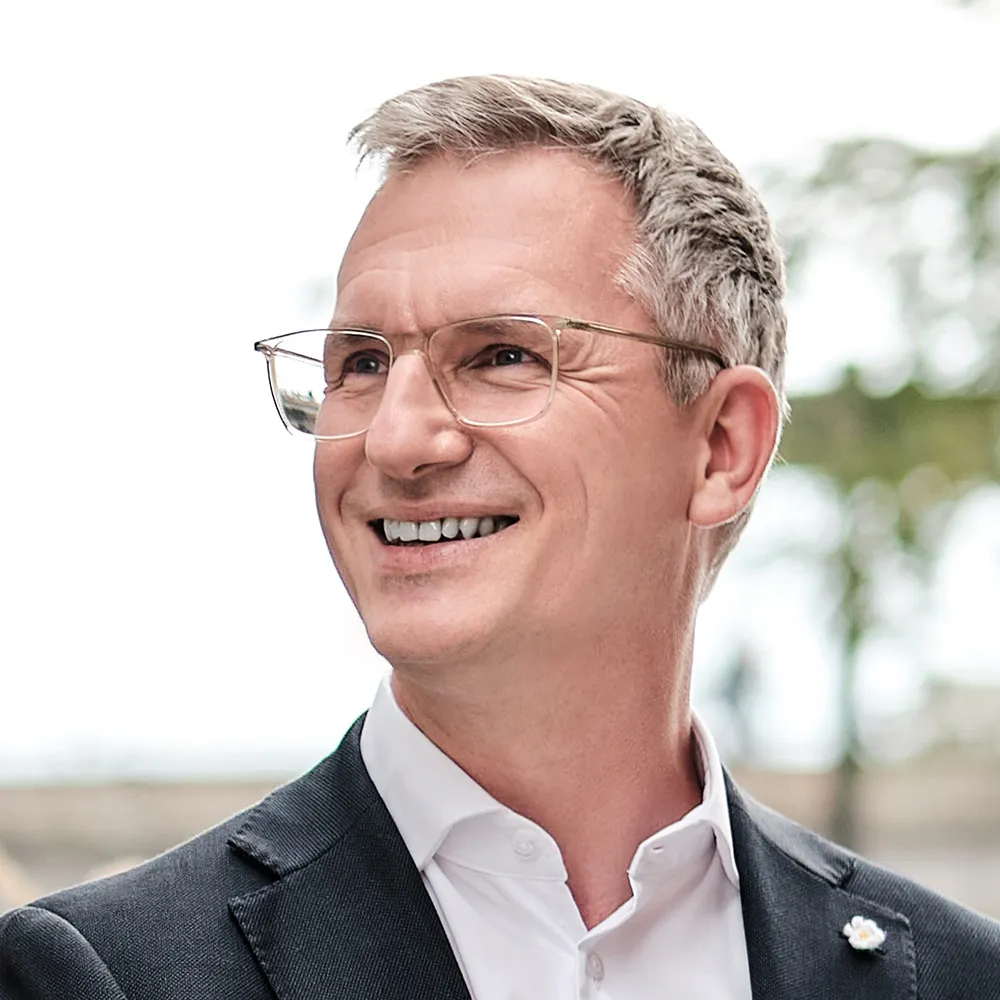
With more than 25 years of experience spanning technology, strategic business development, and international marketing, Ansgar Hein combines technical understanding with a strong focus on ecosystem building and industry collaboration. As a frequent speaker and moderator, Ansgar is known for translating complex technical topics into practical and engaging insights.
This FAQ covers the most important topics for attending edge lab LIVE! at electronica 2026.
If you can't find the answer you're looking for, feel free to contact us anytime at info@edgelablive.com.
Do I need to register separately for edge lab LIVE!?
No! Separate registration is only required for hands-on workshops where you will take home the hardware used during the session. All workshop sessions are heavily subsidized, but if you don't plan on taking home hardware and are okay with the possibility of standing, feel free to join us at no cost! All other content besides evening events is also free to attend!
Can I attend only selected sessions?
Yes. You can freely choose which sessions to attend. Please note that pre-registration is required for workshops due to limited capacity.
Where can I find the conference programme?
View the full edge lab LIVE! programme here →











Seating is limited. Secure your spot today. Register now →
Let's Connect